Community Outreach and Social Initiatives: Family Adoption Program

  1. Purpose of the Family Adoption Program

    The Family Adoption Program is a unique initiative where medical students, faculty, and healthcare workers adopt families from underserved or rural communities. The goal is to provide continuous, holistic healthcare support, health education, and follow-up care to these families over an extended period.

    • This program bridges the gap between institutional healthcare and community-level health services, ensuring that even the most marginalized families receive ongoing medical attention, awareness, and support.
  2. Key Objectives
    • Preventive Healthcare: Promote early detection and prevention of diseases through regular check-ups, screenings, and awareness sessions.
    • Health Education: Educate families about hygiene, nutrition, vaccination, family planning, maternal and child health, and lifestyle diseases.
    • Follow-Up and Monitoring: Maintain consistent health records and track the progress of adopted families to ensure continued care and support.
    • Student Engagement: Provide medical students with real-world exposure to rural and community health challenges, strengthening their skills in patient interaction, primary care, and public health.
  3. Program Implementation
    • Each participating student or healthcare team adopts one or more families, particularly from economically weaker or medically underserved backgrounds.
    • Monthly visits are scheduled to assess the health status of family members, provide basic care, refer critical cases to NMCH for treatment, and conduct health education sessions.
    • A standard health record is maintained for each family to track medical history, immunizations, and ongoing treatment.
  4. Collaborative Approach

    The program is implemented in collaboration with:

    • Local health authorities and ASHA workers, ensuring proper coordination with existing government schemes and services.
    • Non-governmental organizations (NGOs) and social workers who help identify families most in need of intervention and support.
  5. Areas of Focus
    • Maternal and Child Health: Special attention is given to pregnant women, lactating mothers, and children under five, ensuring they receive timely vaccinations, antenatal checkups, and nutritional guidance.
    • Elderly Care: Chronic conditions like diabetes, hypertension, and arthritis among senior citizens are managed through regular check-ups and guidance.
    • Mental Health and Substance Abuse: Awareness about mental health issues and substance use is also addressed, offering counseling and referrals where necessary.
  6. Impact on the Community

    The Family Adoption Program has significantly improved community health outcomes by:

    • Increasing awareness about hygiene, sanitation, and nutrition.
    • Improving vaccination coverage and antenatal care in target areas.
    • Encouraging health-seeking behavior and early diagnosis of illnesses.
    • Building trust between the community and healthcare providers.
  7. Educational Value for Students

    This initiative serves as a practical training module for MBBS students as part of their community medicine curriculum. It instills:
    • Empathy and patient-centered care skills.
    • An understanding of social determinants of health.
    • Real-world exposure to public health practices and rural health challenges.

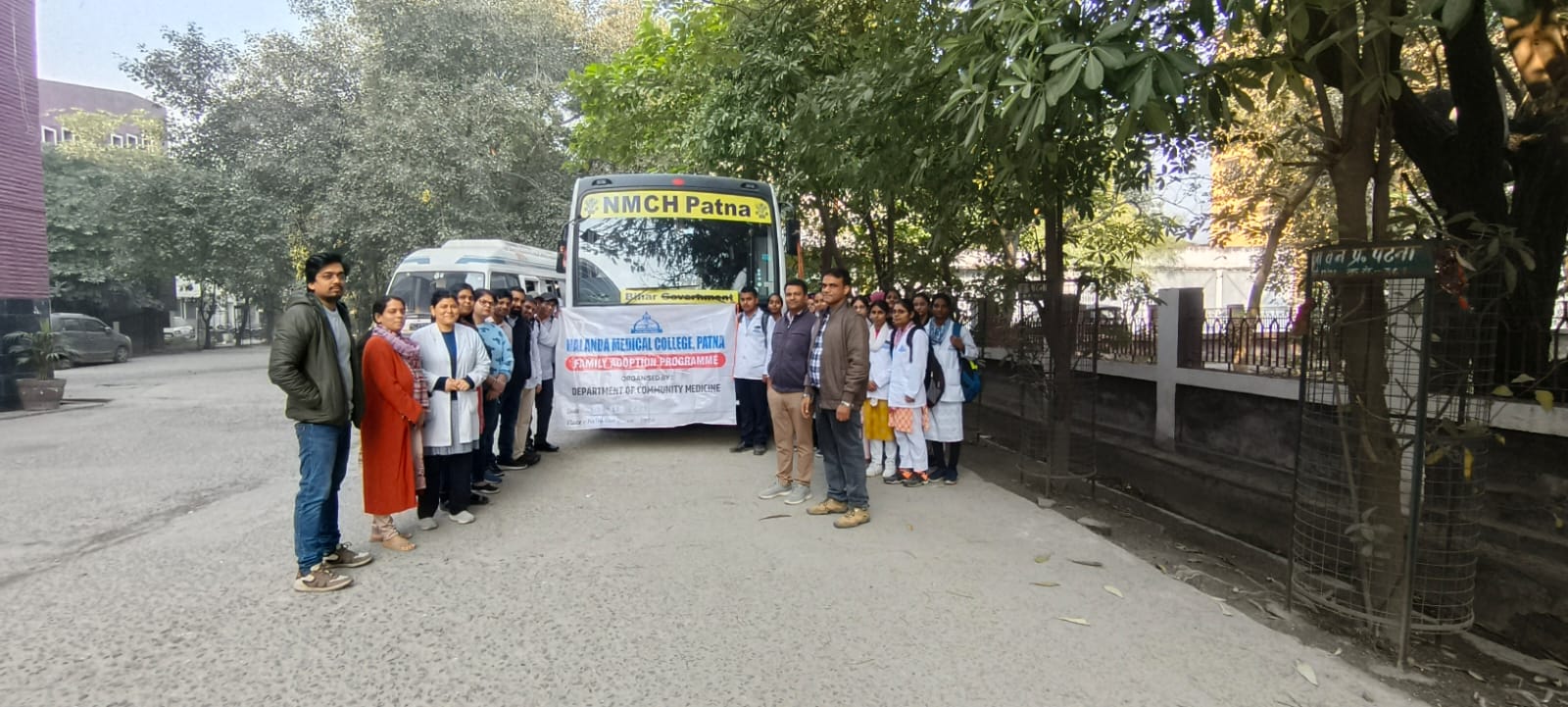
FAMILY ADOPTION PROGRAMME

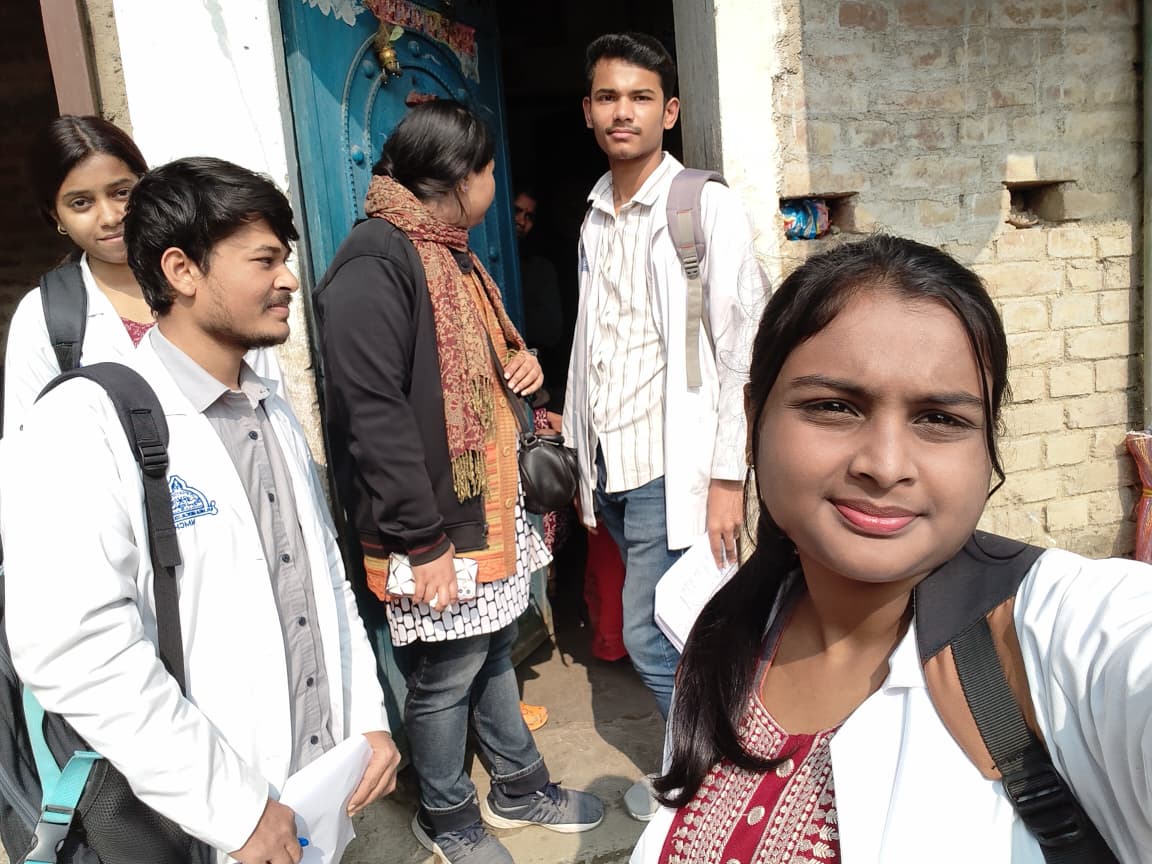
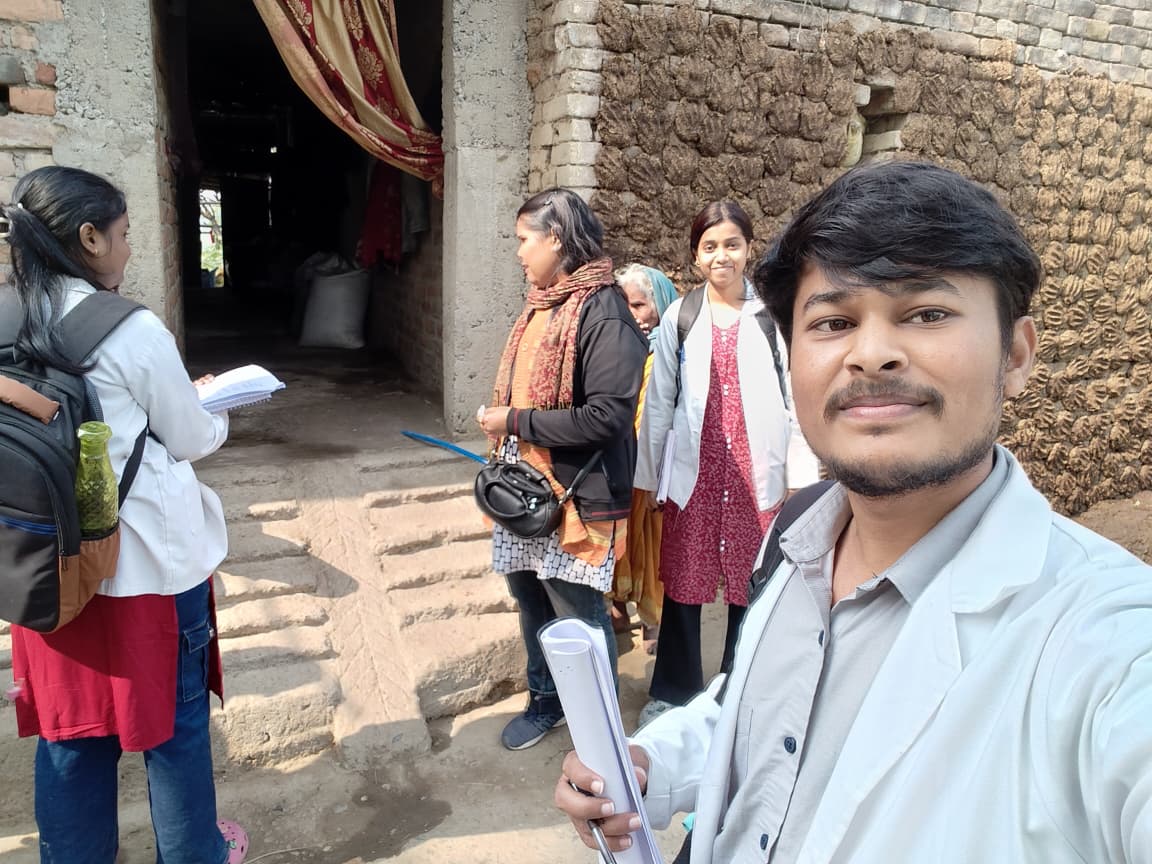
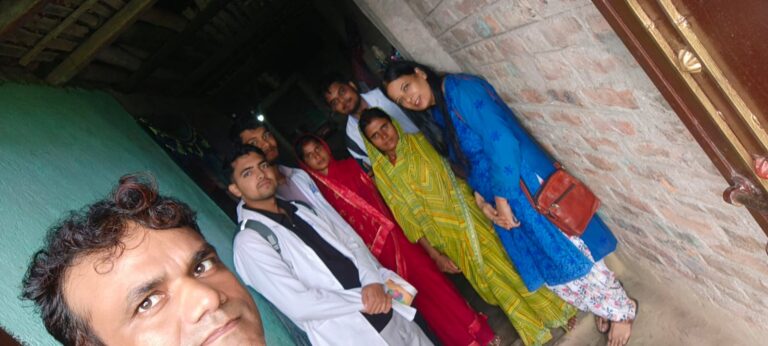
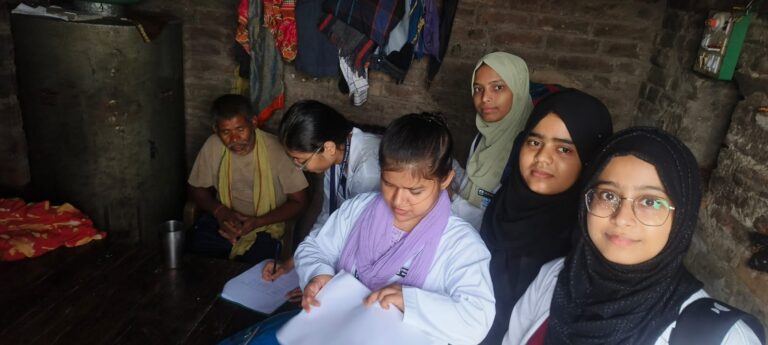
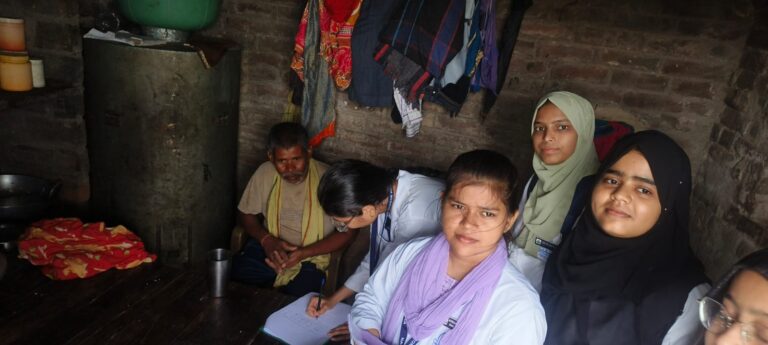
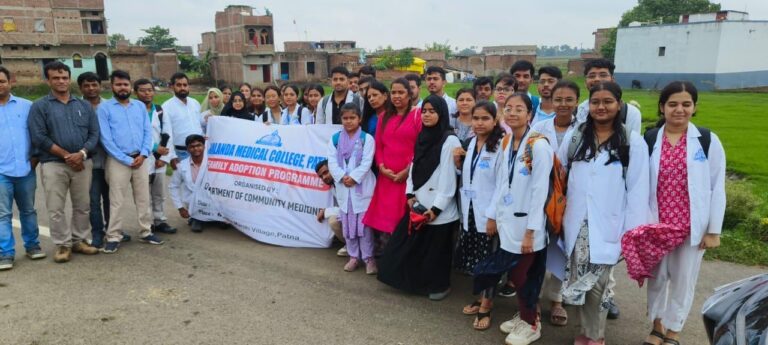
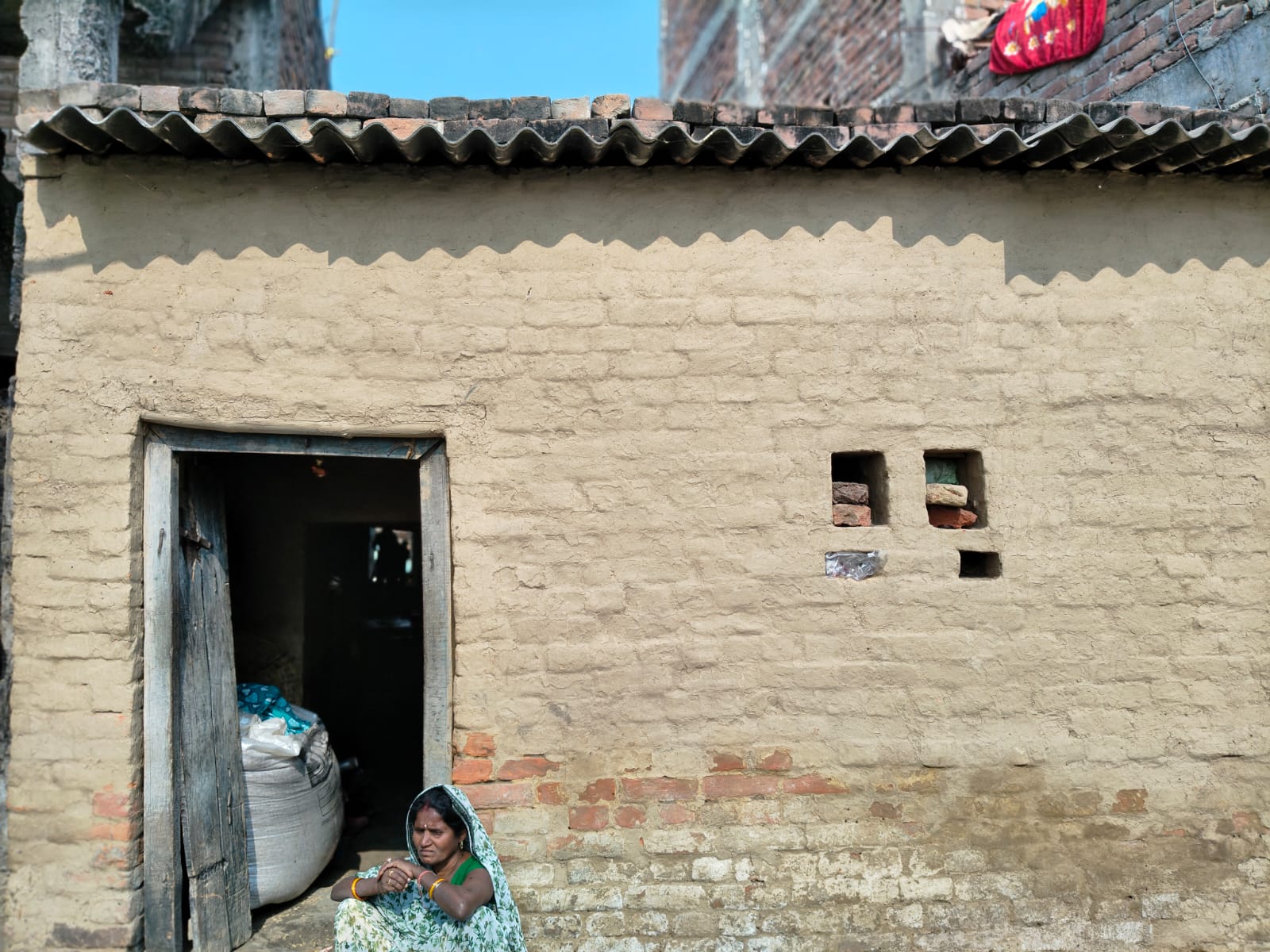
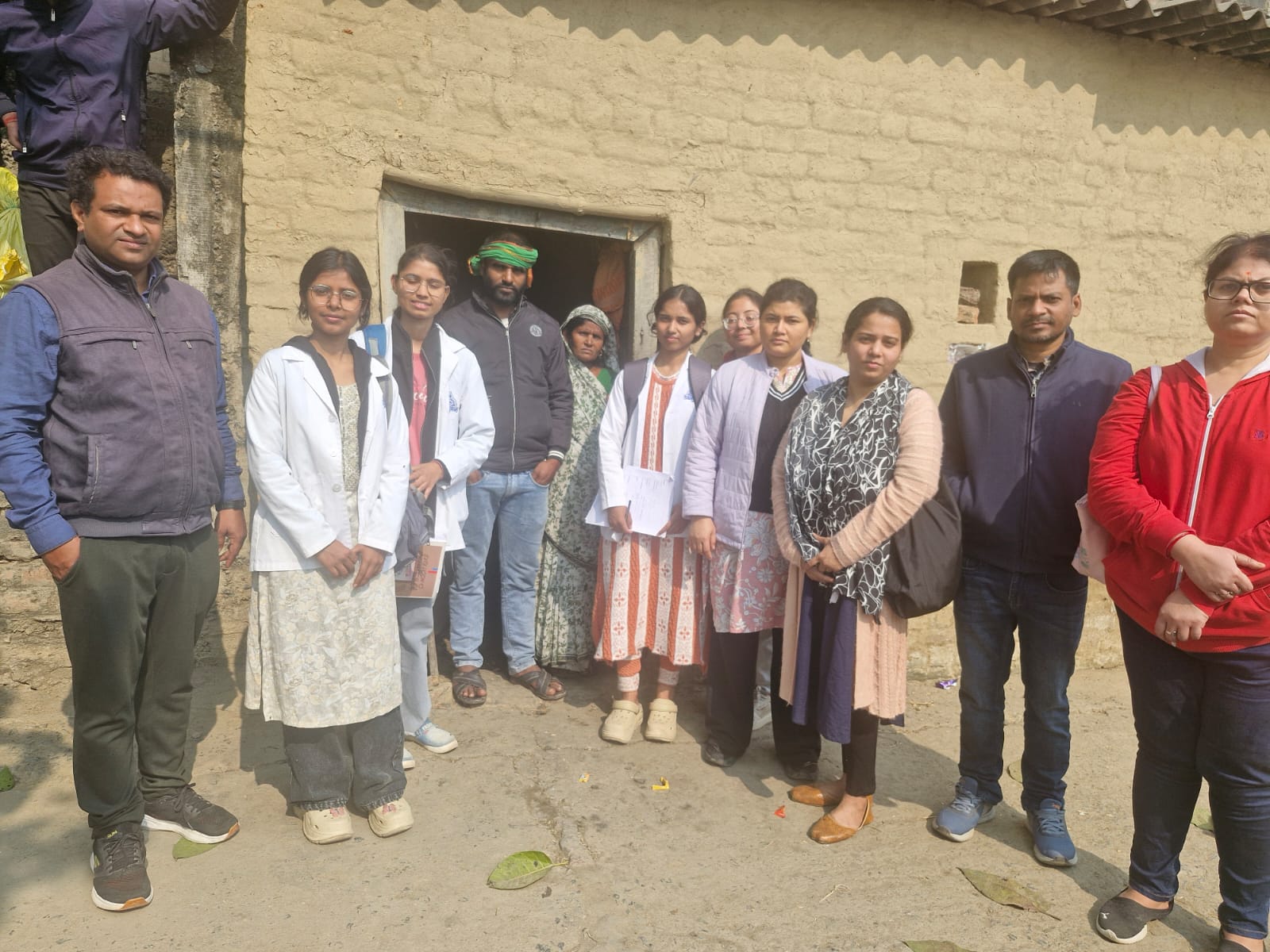
Admission batch 2024, Roll no- 01 to 150, Visit to Marcha Marchi village, Patna Sadar Block, District Patna on 21-01-2026 under Family Adoption Programme
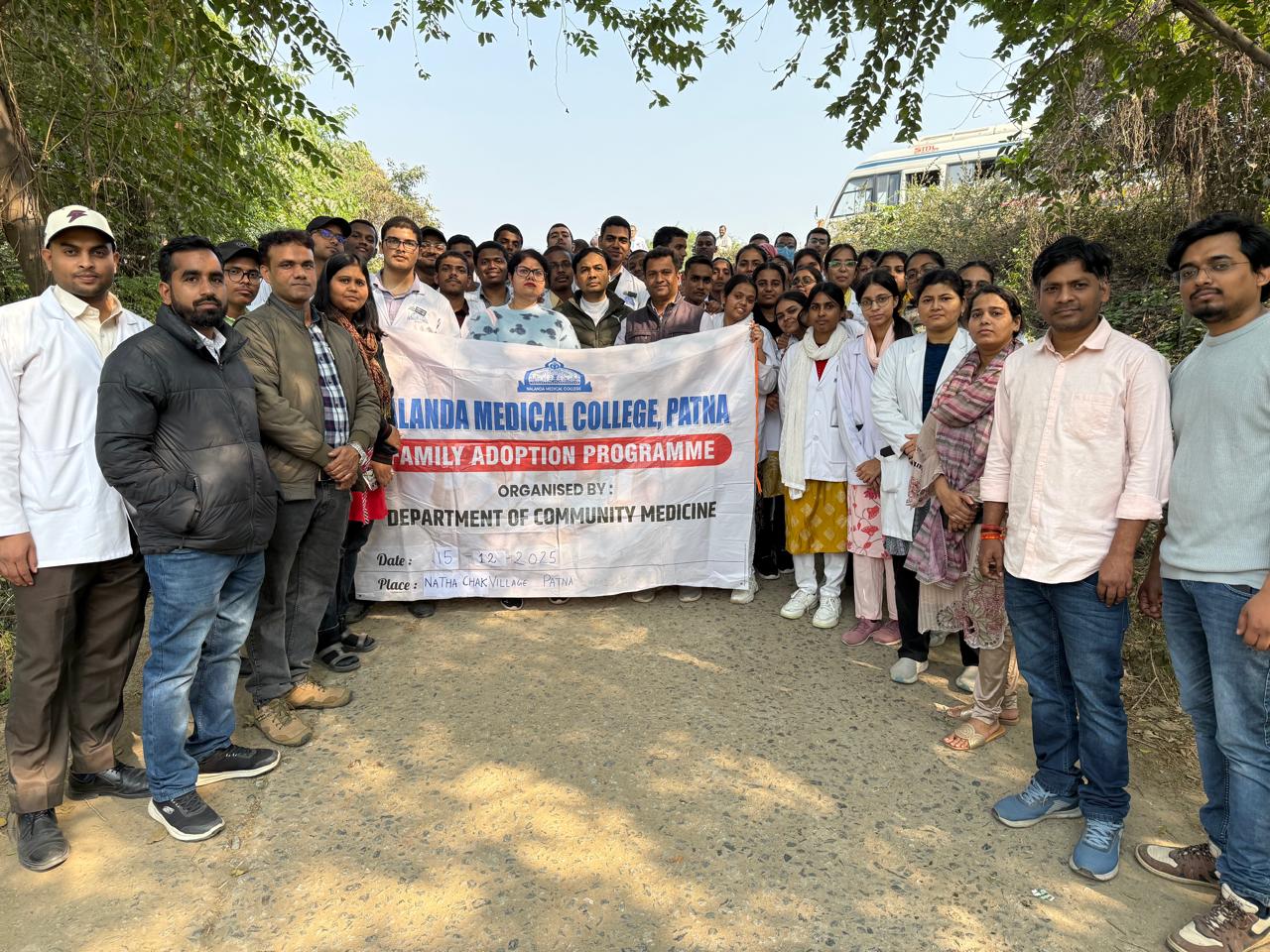
Natha chak village, 2025 batch
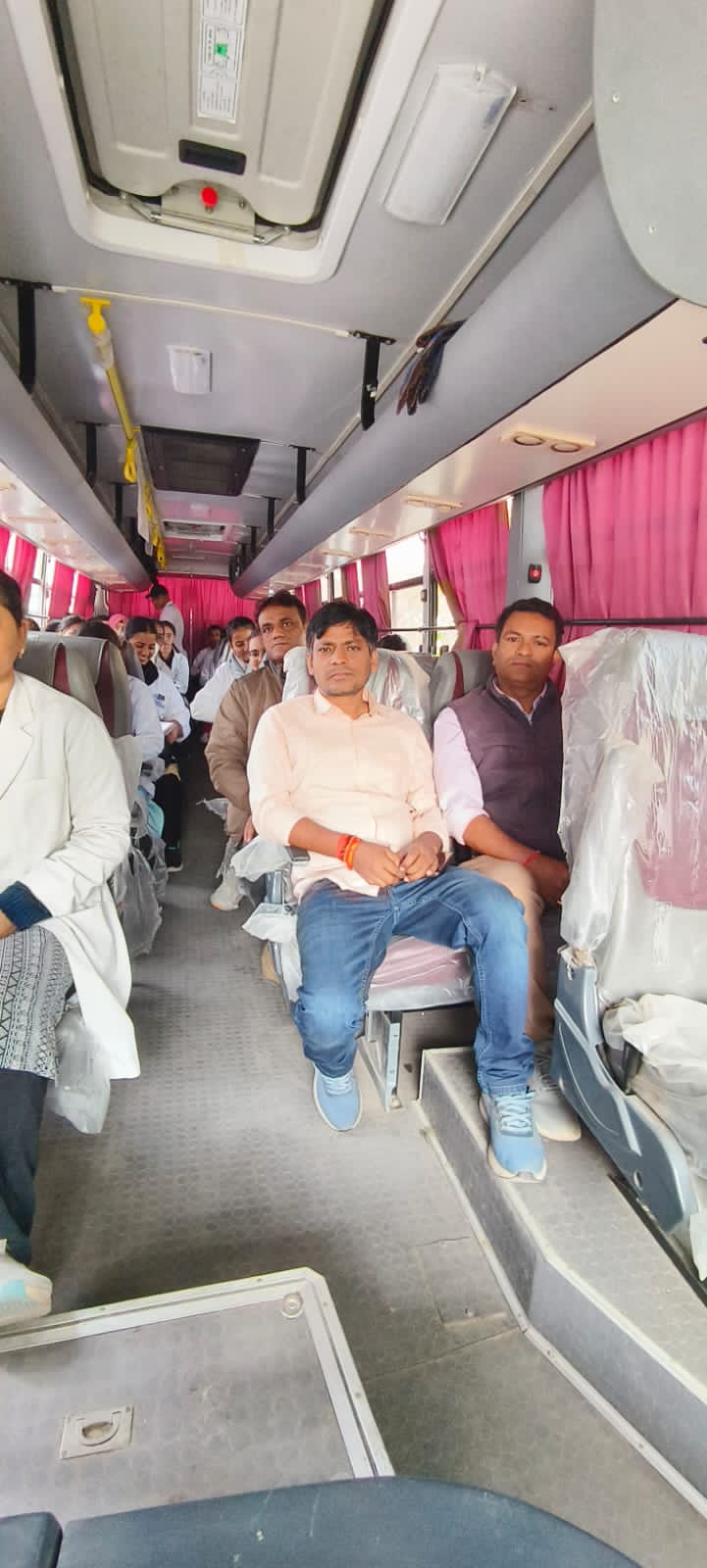
FAP for 2025 batch Date -15/12/2025 Village- Natha Chak Village
Village adoption programme for Admission batch 2024 at Marcha Mirchi Village: an outreach initiative designed to improve community health and provide students with practical, hands-on experience in primary healthcare.